A comprehensive index of every research peptide available at Pharma Lab, organised into nine scientific categories. Each compound has been selected to support active, ongoing research and every batch is held to the same rigorous purity standard.

This is a complete index of every research peptide available at Pharma Lab. Its purpose is straightforward: to provide you with a clear, organised view of every compound in our catalogue so that you can identify which peptides are aligned with your research focus without the need to navigate through dozens of individual product pages.
The catalogue is divided into nine sections, each organised according to the primary field of research the peptide investigations fall within whether that is growth hormone and tissue healing, immune modulation, neurological research, or any of the other categories listed below. For each section you will find a concise description of every peptide we supply, outlining what the compound is, which biological pathways it engages, and most importantly, why researchers use it. These are not marketing descriptions. They are short scientific summaries designed to guide you through the catalogue.
The peptides listed here all meet the same quality standard. Pharma Lab sources every compound directly from its manufacturers, never through a third-party reseller. As a trusted Cartalax peptide supplier Italy, we maintain rigorous quality controls across our entire catalogue. HPLC purification and mass spectrometry confirmation are performed on each batch, with a purity standard of 99% for standard peptides and at least 98% for complex sequences. Where appropriate, peptides are offered in a range of forms as lyophilised vials, sprays, pre-mixed peptide pens and capsule forms. We also manufacture and supply bacteriostatic water, as well as all necessary stock solutions for reconstitution to support your laboratory work.
Whether you are an academic researcher with a receptor pathway of interest, a biotech team screening compounds for a drug discovery programme, or an independent lab investigating a specific biological mechanism this page is designed to help you find exactly what you are looking for. Browse through the sections related to your research, and if you have any questions about any of the compounds listed here, the Pharma Lab team is available for further detail.

Growth hormone sits at the centre of some of the most important questions in metabolic science, aging research and body composition studies. Secreted in pulses throughout the day by the pituitary gland, growth hormone diminishes progressively with age. That decline is associated with reductions in muscle mass, bone density, fat distribution and even aspects of skin thickness and energy metabolism. Researchers seeking a reliable Cartalax peptide for sale USA often turn to compounds within this category for their studies. Growth hormone releasing peptides and related analogues serve as fine-tuning instruments for researchers studying these pathways, enabling them to precisely stimulate, modify or measure GH function under controlled conditions. At Pharma Lab, we carry a broad collection of compounds that interact with the GH axis at various levels, providing investigators with a range of agents to explore specific components of growth hormone biology.
A modified growth hormone releasing hormone analogue featuring a Drug Affinity Complex that extends the half-life to a matter of weeks. While most protocols examine chronic GH exposure and its effects on metabolism and tissue composition, CJC-1295 DAC allows researchers to investigate sustained GH elevation without the need for repeated dosing schedules.
The same base GHRH analogue as above, but without the DAC modification. This results in a shorter half-life and a more pulsatile GH release profile. This version is preferred in studies aiming to produce discrete GH pulses rather than continuously elevated levels.
One of the most frequently cited growth hormone releasing peptides in the literature. GHRP-2 acts via the pituitary ghrelin receptor and has been shown to stimulate a rapid and substantial pulse of GH secretion. In addition to promoting GH release, it also suppresses somatostatin — the hormone that inhibits GH secretion. This dual mechanism makes it a reliable tool for GH research across a wide range of experimental designs.
Similar in mechanism to GHRP-2, with one important distinction: GHRP-6 stimulates appetite through the ghrelin pathway. As a result, it is relevant not only to growth hormone studies but also to research on appetite regulation, food intake behaviour and the metabolic effects of ghrelin receptor activation.
One of the most potent synthetic GH secretagogues identified. Hexarelin stimulates the release of substantial amounts of growth hormone and has also been observed to exhibit cardioprotective effects in animal models. This dual relevance makes it valuable for research that straddles both endocrine and cardiovascular fields.
Valued by researchers for its selectivity. Unlike broader GH secretagogues, Ipamorelin stimulates growth hormone release with minimal influence on cortisol, prolactin or appetite-related hormones. This clean release profile makes it particularly useful in experiments where investigators need to isolate GH effects from other confounding hormonal changes.
An orally active growth hormone secretagogue capable of maintaining elevated GH and IGF-1 levels over extended periods. Unlike injectable peptides, its oral bioavailability sets it apart and allows for sustained research protocols designed to evaluate the long-term effects of growth hormone elevation.
A GHRH analogue that incorporates the first 29 amino acids of the 44-amino acid growth hormone releasing hormone. Sermorelin has a long history of clinical research, including studies involving the physiological effects of age-related GH decline and growth hormone deficiency in children. It remains one of the most frequently cited compounds in the aging peptide literature.
A GHRH analogue that has been specifically studied for its effects on visceral adipose tissue. Its ability to mediate reductions in abdominal fat accumulation has drawn attention from investigators researching pathways associated with lipodystrophy and metabolic syndrome — two areas of particularly active investigation.
The full 191-amino acid recombinant human growth hormone. For studies requiring the complete GH molecule rather than a releasing peptide or fragment, HGH 191AA serves as the reference-standard compound for direct growth hormone administration research.
A truncated fragment of the growth hormone molecule corresponding to amino acids 176 through 191. This region of GH has been examined for its role in fat metabolism, and evidence suggests it may promote lipolysis without the anabolic effects associated with full-length growth hormone. This fragment is especially useful for researchers studying mechanisms of fat reduction that are independent of muscle mass changes.

Following tissue damage whether through injury, surgery, disease or everyday wear the body initiates a complex cascade of repair mechanisms involving inflammation, cell migration, angiogenesis and matrix remodelling. Buy HCG Peptide Peptides that can influence these processes offer researchers the opportunity to study tissue repair at the molecular level, manipulating specific steps in the healing cascade to understand what drives recovery, what impedes it, and how the process might be enhanced. These compounds are among the most studied peptide categories in sports medicine, gastroenterology and regenerative science. Each one is included in the Pharma Lab catalogue because it represents an active and ongoing area of scientific investigation.
One of the most extensively researched tissue repair peptides, derived from a protective protein fraction found in human gastric juice. BPC-157 has been shown to affect wound healing, tendon and ligament repair, gut mucosal integrity and angiogenesis. Mechanistically, it acts in part through the stimulation of fibroblast migration and proliferation. Its gastroprotective activity has generated considerable interest within digestive system research.
A synthetic version of Thymosin Beta-4, a naturally occurring peptide that regulates cell migration, blood vessel formation and inflammation across a wide range of species. TB-500 has been studied for its capacity to accelerate the healing process in muscle, skin and connective tissues. Its role in stimulating cell migration toward injured sites makes it applicable to a variety of tissue types and injury models.
Mechano Growth Factor is a splice variant of IGF-1 that acts locally within muscle tissue following mechanical stress or damage. MGF is used by researchers studying muscle repair and hypertrophy at the cellular level — particularly the activation of satellite cells, the dormant muscle stem cells recruited to repair damaged fibres.
A PEGylated form of Mechano Growth Factor, where the addition of a polyethylene glycol chain extends the duration of the peptide's circulation time. This modification enables researchers to investigate the actions of MGF over longer time scales, without the rapid degradation that limits the native molecule.
A tripeptide derived from alpha-melanocyte stimulating hormone that has demonstrated potent anti-inflammatory activity in preclinical studies. KPV has been examined as a mucosal anti-inflammatory factor, positioned at the intersection of immune modulation and tissue repair research.
The only human cathelicidin antimicrobial peptide, LL-37 functions in both infection defence and tissue repair. Beyond its direct antimicrobial effects against bacteria, fungi and viruses, LL-37 stimulates cell proliferation and angiogenesis — processes central to wound healing. This dual role makes it particularly interesting for researchers studying infected wound environments.
An 11-amino acid peptide derived from erythropoietin that activates the innate repair receptor without promoting red blood cell production. ARA-290 has been studied in neuroprotection and tissue repair settings, with a particular focus on pain-related conditions and small fibre regeneration.
A fusion molecule combining a protein transduction domain with a peptide sequence capable of conveying bone morphogenetic protein signalling into cells. PTD-DBM is used by researchers investigating bone regeneration and fracture repair, exploring how osteogenic differentiation might be achieved without the complications associated with administering complete BMP proteins.

Aging is not a single process. It is the accumulation of many molecular changes: telomere shortening, mitochondrial dysfunction, oxidative damage, the build-up of senescent cells, diminished autophagy, and the gradual failure of tissue repair mechanisms. Researchers investigating longevity require tools that can target these individual pathways with precision, and peptides are among the most specific instruments available. The compounds recorded in this section of the Pharma Lab catalogue have been shown to engage with core systems involved in biological aging — from telomerase activation to senescent cell clearance and mitochondrial peptide signalling.
A tetrapeptide that activates telomerase, the enzyme responsible for maintaining the length and integrity of telomeres at the ends of chromosomes. Telomere shortening is one of the established hallmarks of cellular aging, and Epithalon has been a subject of extensive study in models examining whether telomerase activation can slow or reverse features of the aged phenotype.
A senolytic peptide engineered to selectively induce apoptosis in senescent cells while leaving healthy cells intact. Senescent cells accumulate with age and release inflammatory factors that cause damage to surrounding tissues. FOXO4-DRI works by disrupting the interaction between FOXO4 and p53 in senescent cells, triggering their self-destruction. This targeted mechanism makes it one of the most specific tools available in senescence research.
A naturally occurring copper-binding tripeptide found in human plasma, the levels of which decrease significantly with age. GHK-Cu has been shown to promote collagen synthesis, wound healing and gene expression patterns that shift cells toward a more regenerative phenotype. It has attracted particular attention within skin aging research.
A mitochondria-derived peptide first characterised for its cytoprotective properties in models of Alzheimer's disease, oxidative stress and age-related cellular decline. Humanin appears to protect cells from apoptosis induced by a range of stressors, making it an important compound for studies in neuroprotection and mitochondrial biology.
Another mitochondria-derived peptide that regulates metabolic homeostasis and has been described in the research literature as an exercise-mimetic. Its role in insulin sensitivity, fat metabolism and physical performance is being studied across various models of aging. Its unique mitochondrial origin provides a distinctive entry point for exploring the relationship between energy metabolism and the aging process.
Nicotinamide adenine dinucleotide is a coenzyme essential to cellular energy production, DNA repair and sirtuin activity — sirtuins being proteins that regulate lifespan in organisms. Age-associated declines in NAD+ levels have made supplementation strategies one of the most actively discussed topics in longevity science. For investigators studying these pathways, Pharma Lab provides NAD+.
A tripeptide bioregulator that has been researched for its effects on the central nervous system and pineal gland function during aging. Studies involving Pinealon have observed its ability to normalise gene expression profiles in aging brain tissue, as well as supporting melatonin production — which declines with age as the pineal gland undergoes gradual deterioration.
A tripeptide bioregulator studied for its effects on cartilage aging and joint degeneration. Cartalax is recognised for its potential to modulate gene expression in chondrocytes and slow the degradation of cartilage matrix proteins — a process that leads to osteoarthritis and joint dysfunction in aging models.
An acetyl octapeptide that influences neurotransmitter release at the neuromuscular junction. SNAP-8 has been studied primarily for its ability to reduce the intensity of muscle contraction in facial muscles, making it relevant to research on expression lines and the biomechanical aspects of skin aging.
A palmitoyl pentapeptide that stimulates fibroblasts to increase the synthesis of collagen, elastin and other components of the extracellular matrix. Matrixyl is one of the most researched topical peptides in skin science, with clinical studies consistently reporting improvements in skin thickness, firmness and visible signs of aging.

The growing global burden of obesity, insulin resistance and metabolic syndrome has sharpened research interest in understanding the molecular mechanisms that govern energy storage, fat metabolism and appetite regulation. Peptides within this category engage key metabolic pathways such as AMPK signalling, NNMT inhibition and adipose tissue biology, providing researchers with precisely targeted tools for questions that broader pharmacological approaches cannot address with the same mechanistic clarity. Pharma Lab supplies these compounds because they serve areas of metabolism that are both active and clearly defined.
A small-molecule inhibitor of nicotinamide N-methyltransferase, an enzyme implicated in cellular energy regulation and fat storage. In laboratory studies, 5-Amino-1MQ has been shown to increase cellular energy expenditure and reduce fat accumulation in adipocytes. As an agent that selectively targets NNMT activity, it offers a focused methodology for studying the metabolic regulation of fat cells.
A modified fragment of human growth hormone that retains the lipolytic properties of GH without triggering increases in growth or insulin resistance. Because AOD-9604 mimics certain GH actions while avoiding the broader anabolic effects, it allows researchers to concentrate specifically on the metabolic benefits of fat breakdown and the inhibition of lipogenesis.
An adenosine analogue that activates AMP-activated protein kinase, the master regulatory enzyme that senses cellular energy status and initiates metabolic adaptations. AICAR has attracted attention as an exercise mimetic because it activates the same metabolic pathways engaged by physical exercise, including fatty acid oxidation and glucose uptake.
Compounds that directly influence the AMP-activated protein kinase pathway — the cellular energy sensor linking metabolic stress to downstream responses. Researchers use peptides targeting AMPK as tools to understand how cells regulate energy production and consumption, with direct relevance to major areas of study including diabetes, obesity and cardiovascular disease.
A chimeric peptide that carries a proapoptotic sequence targeting the blood vessels supplying white adipose tissue. In animal studies, FTPP Adipotide has demonstrated the ability to selectively destroy fat tissue vasculature and induce rapid fat loss. As a depot-specific agent, it is an exceptional compound for studies focused on localised fat reduction through vascular modulation.
Initially developed as a neuromodulator, Tesofensine was found to inhibit the reuptake of serotonin, dopamine and norepinephrine, leading to appetite suppression and increased energy expenditure. It continues to be investigated for its metabolic effects as researchers examine the relationship between central neurotransmitter systems and the regulation of body weight.
A compound of research interest in both cognition and metabolic regulation. Adamax has attracted attention for its nootropic properties alongside its ability to modulate cellular metabolism, making it relevant for researchers investigating the bidirectional relationship between brain function and metabolic health.

Muscle growth and differentiation are governed by a finely tuned balance between growth-promoting signals and inhibitory factors. Compounds such as follistatin and IGF-1, which promote hypertrophy and cell proliferation, counterbalance myostatin — the protein that inhibits muscle growth. Peptides within this category serve as molecular tools for manipulating these pathways, and they are of particular interest to researchers studying sarcopenia, muscular dystrophy, muscle wasting conditions, and the basic biology of skeletal muscle adaptation. Pharma Lab offers these compounds for laboratories and institutions conducting genuine work in muscle physiology.
A soluble activin type IIB receptor that functions as a decoy by sequestering myostatin and other TGF-beta family ligands before they can signal muscle cells to limit growth. ACE-031 has been evaluated in muscular dystrophy models and other studies of muscle biology, since myostatin inhibition may help to preserve or restore muscle mass.
A naturally occurring glycoprotein that binds to and neutralises myostatin, activin and other members of the TGF-beta superfamily. As one of the most direct myostatin antagonists available, Follistatin 344 has been extensively studied for its effects on muscle hypertrophy, reproductive biology and metabolic regulation.
The myostatin protein itself, supplied for researchers who need to work with the inhibitory side of the muscle growth equation. Availability of GDF-8 enables investigators to analyse how muscle cells respond to myostatin signalling, develop assays for measuring myostatin activity, and test inhibitors directly against the target.
A long-acting analogue of insulin-like growth factor 1, modified with an arginine substitution that reduces its binding affinity to IGF binding proteins and extends its biological activity. IGF-1 LR3 is used in studies involving muscle hypertrophy, programmed cell death and tissue healing. Its enhanced half-life makes it suitable for protocols requiring prolonged IGF receptor activation.

The immune system is one of the most complex biological networks in the body, and its declining function with age — termed immunosenescence — is a major contributor to the increased susceptibility of older adults to infections, malignancies and chronic inflammation. Immune-modulatory peptides provide researchers with opportunities to study how specific immune cell behaviours are regulated, from thymic output and antimicrobial defence to inflammatory responses. The peptides Pharma Lab offers in this category include thymic and other bioregulators, antimicrobial factors, and potent antioxidants — reflecting the considerable diversity of the immunology field.
One of the most extensively studied immune-modulating peptides in the literature. Thymosin Alpha-1 enhances T-cell differentiation, activation and cytokine production. It has been investigated in the context of viral infection treatment, cancer immunotherapy, vaccine response enhancement and immune reconstitution in immunocompromised individuals. The breadth of research into its effects makes it a cornerstone compound in immunology.
A peptide derived from thymus tissue that has been shown to restore age-related declines in immune function, including thymic mass and related parameters. Research has directed attention toward its capacity to help rebalance the T-cell repertoire and counteract stress-induced changes in aging immune systems, thereby supporting immune surveillance.
A synthetic dipeptide bioregulator that interacts with DNA and chromatin to alter gene expression patterns. Studies have examined Vilon for its effects on T-helper and cytotoxic T-cell differentiation, with particular interest in its ability to restore gene activity in aging immune cells.
A tripeptide bioregulator studied for its ability to maintain the structural integrity and function of respiratory tissue. Research has examined how Bronchogen may correct altered gene expression in aging bronchial epithelial cells, as well as its potential relevance to chronic respiratory conditions.
The primary intracellular antioxidant in the body, glutathione is a tripeptide composed of glutamate, cysteine and glycine. It plays a vital role in neutralising reactive oxygen species, recycling other antioxidants and supporting detoxification pathways. L-Glutathione is used by researchers investigating oxidative stress, liver function, immune cell viability and the downstream consequences of glutathione depletion.
A peptide that targets the HDM2 protein on cell membranes, causing disruption of the membrane and leading to cell death in certain cancer cell types. PNC-27 has attracted interest because of its apparent selectivity for cancer cells over normal cells. This selectivity has made it a subject of active inquiry in cancer biology, particularly in studies exploring membrane-directed therapeutic approaches.
Vasoactive intestinal peptide is a 28-amino acid neuropeptide with broad anti-inflammatory and immunoregulatory properties. VIP has been investigated for its role in autoimmune models, neurodegenerative conditions and inflammatory bowel disease. One of its most notable capabilities is its ability to shift immune responses from a pro-inflammatory to a regulatory profile, making it a versatile tool within immunology research.

Reproductive function is governed by the hypothalamic-pituitary-gonadal axis through an intricately timed series of hormonal signals. Hypothalamic gonadotropin-releasing hormone stimulates the pituitary to release luteinising hormone and follicle-stimulating hormone, which in turn regulate gonadal activity. Peptides that target this axis at different levels allow investigators to study processes such as fertility, hormonal regulation, puberty and the downstream effects of gonadal hormone production. Reproductive endocrinology is one of the most clinically relevant areas of peptide research, which is why Pharma Lab supplies these compounds.
A synthetic gonadotropin-releasing hormone that stimulates the pituitary to release LH and FSH. Gonadorelin is widely used as a research tool for assessing pituitary function and is applied in fertility studies, hormonal challenge tests, and evaluations of how the HPG axis responds to different physiological and pathological conditions.
Human chorionic gonadotropin is a glycoprotein hormone that acts in a manner similar to luteinising hormone. In research settings, HCG is used to stimulate gonadal function in both male and female models, enabling investigators to characterise Leydig cell activity, testosterone production and broader reproductive physiology.
Human menopausal gonadotropin contains both FSH and LH activity, and is used in research on ovarian stimulation, follicular development and assisted reproductive protocols. HMG provides dual gonadotropin stimulation, allowing the integrated response of the gonads to both hormonal signals to be examined simultaneously.
A peptide positioned at the top of the reproductive hormone cascade. Kisspeptin stimulates GnRH neurons in the hypothalamus, triggering a subsequent release of gonadotropins downstream. It has become a key compound in neuroendocrine research due to its role in the onset of puberty, reproductive disorders and the neural control of fertility.
A melanocortin receptor agonist derived from Melanotan 2 that acts through the central nervous system rather than through vascular pathways. PT-141 acts on pathways that mediate sexual arousal and desire in both male and female research models, making it distinct from other peripherally acting compounds in reproductive research.
A potent GnRH agonist that initially stimulates gonadotropin release, followed by receptor desensitisation. Triptorelin has been used in studies focusing on hormone-dependent conditions, including prostate biology, endometriosis, and the controlled suppression of sex hormones for experimental purposes.
A nonapeptide produced by the hypothalamus with effects spanning social behaviour, bonding, trust, reproductive function and uterine contraction. Oxytocin research extends well beyond reproduction into neuroscience, psychiatry and behavioural studies, making it arguably the most interdisciplinary peptide in the Pharma Lab catalogue.

Research within the central nervous system presents unique challenges. The blood-brain barrier restricts many compounds from reaching neural tissue. Neurodegenerative processes unfold over decades. And cognitive function often involves network-level complexity that exceeds single-pathway explanations. Neuroactive peptides that can pass or bypass these obstacles — whether by modulating neurotransmitter systems, stimulating neuroprotection, or supporting neuronal growth — provide researchers with tools for studying brain function at an exceptional level of specificity. The compounds Pharma Lab carries in this category reflect current trends in neuroscience and cognitive research.
A synthetic analogue of the immunoregulatory peptide tuftsin, Selank has been studied for its anxiolytic and nootropic effects. Research has noted its influence on GABA receptor activity, BDNF expression, and serotonin metabolism. These properties make it relevant to studies of anxiety, cognition, and the interface between immune signalling and brain function.
A derivative of adrenocorticotropic hormone that has demonstrated neuroprotective characteristics across a range of animal studies. Research has explored its effect on BDNF levels, cerebral blood flow and cognitive performance following neurological insult. Its well-established safety profile in research settings has made it one of the most commonly used nootropic peptides.
Delta sleep-inducing peptide was first isolated in 1970 from the cerebral venous blood of rabbits during induced sleep. Research has since investigated its role in sleep architecture regulation, stress hormone modulation and circadian rhythm maintenance. Stress physiology researchers have also taken interest in the effects of DSIP on the hypothalamic-pituitary-adrenal axis.
A synthetic peptide based on ciliary neurotrophic factor that encourages neurogenesis in the hippocampus. In Alzheimer's disease models, P-21 has been shown to enhance memory formation and dendritic spine density while reducing tau phosphorylation. Its ability to cross the blood-brain barrier makes it a particularly useful experimental tool in central nervous system research.
A hypothalamic neuropeptide that regulates wakefulness, appetite and energy homeostasis. The discovery that orexin deficiency is the cause of narcolepsy transformed research in sleep science, and Orexin A continues to serve as an important tool for investigators studying sleep-wake transitions, feeding behaviour, reward pathways and arousal mechanisms.
A single-chain peptide analogue of the hormone relaxin-2 that activates the RXFP1 receptor. B7-33 is under investigation for anti-fibrotic effects in cardiac and pulmonary tissue, and more recently has been found to exhibit neuroprotective properties as well — linking cardiovascular, respiratory and neurological research at an interesting juncture.

Some peptides do not fit neatly into a single category. They interact with multiple biological systems, serve different purposes across distinct research domains, or belong to compound classes that resist simple classification. This does not diminish their significance. In many cases, it is precisely because a compound spans several scientific areas that it becomes most interesting. The peptides in this section of the Pharma Lab catalogue were selected because they represent genuine, active areas of research that cut across disciplinary boundaries.
The connecting peptide cleaved from proinsulin during synthesis, once believed to be biologically inert. Subsequent research has revealed that C-peptide possesses signalling activities independent of insulin. Studies most frequently centre on its potential relevance to diabetic neuropathy, nephropathy and microvascular complications of diabetes.
Thyrotropin-releasing hormone is a hypothalamic tripeptide that stimulates the anterior pituitary to release thyroid-stimulating hormone and prolactin. TRH is currently used in diagnostic research for thyroid axis evaluation, and it has attracted additional interest from neuroscience researchers for its modulatory effects on arousal, depression and spinal cord function.
An analogue of alpha-melanocyte stimulating hormone known to stimulate melanogenesis through agonism of the melanocortin-1 receptor. Research in this area primarily centres on skin pigmentation, ultraviolet resistance and the biology of melanocyte activity. Melanotan 1 is the more selective of the two melanotan peptides, with a narrower receptor activation profile.
A broader melanocortin receptor agonist that engages several melanocortin receptor subtypes. Beyond pigmentation, the potential effects of Melanotan 2 on appetite, sexual function and inflammatory responses have been suggested by research into the multiple physiological roles of the melanocortin system.
Methylcobalamin in a nasal spray form, used for the study of bioavailability and mucosal delivery. It provides a practical formulation for examining nasal absorption kinetics and comparing mucosal administration with oral and intramuscular routes of delivery — with relevance to both neurological health and haematological research.

The nine categories above represent the primary research areas in which these peptides are most widely used. But biology does not respect neat boundaries. BPC-157 has been listed under tissue repair but is equally applicable to gut health and inflammation research. NAD+ appears in the longevity section, but metabolic researchers depend on it just as much. Oxytocin falls naturally within reproduction, yet it is behavioural neuroscientists who may order it most frequently.
We have structured the catalogue this way to help you move quickly through the page on an initial pass. But we encourage you to look beyond the most obvious category. Some of the most productive peptide research comes from cross-disciplinary applications, where a compound catalogued under one heading proves valuable for a study that falls under another entirely.
If you are unsure whether a particular peptide is suited to your experimental design, or if you would like to discuss formulations, handling and storage protocols for a specific compound, the Pharma Lab team is happy to assist. We would rather spend time addressing your questions in detail than have you order a compound that does not align with your needs.
Every peptide shown on this page is held to the same standard — regardless of category, complexity or order size. All batches are purified by HPLC and verified through mass spectrometry by Pharma Lab. We maintain a minimum purity of 99% for standard sequences, while complex sequences involving multiple modifications or chain lengths exceeding fifty amino acids are produced with at least 98% purity. As the team that works directly with the manufacturers synthesising our products, we know them better than any reseller can — providing a level of oversight and traceability that intermediary-based supply chains simply cannot match.
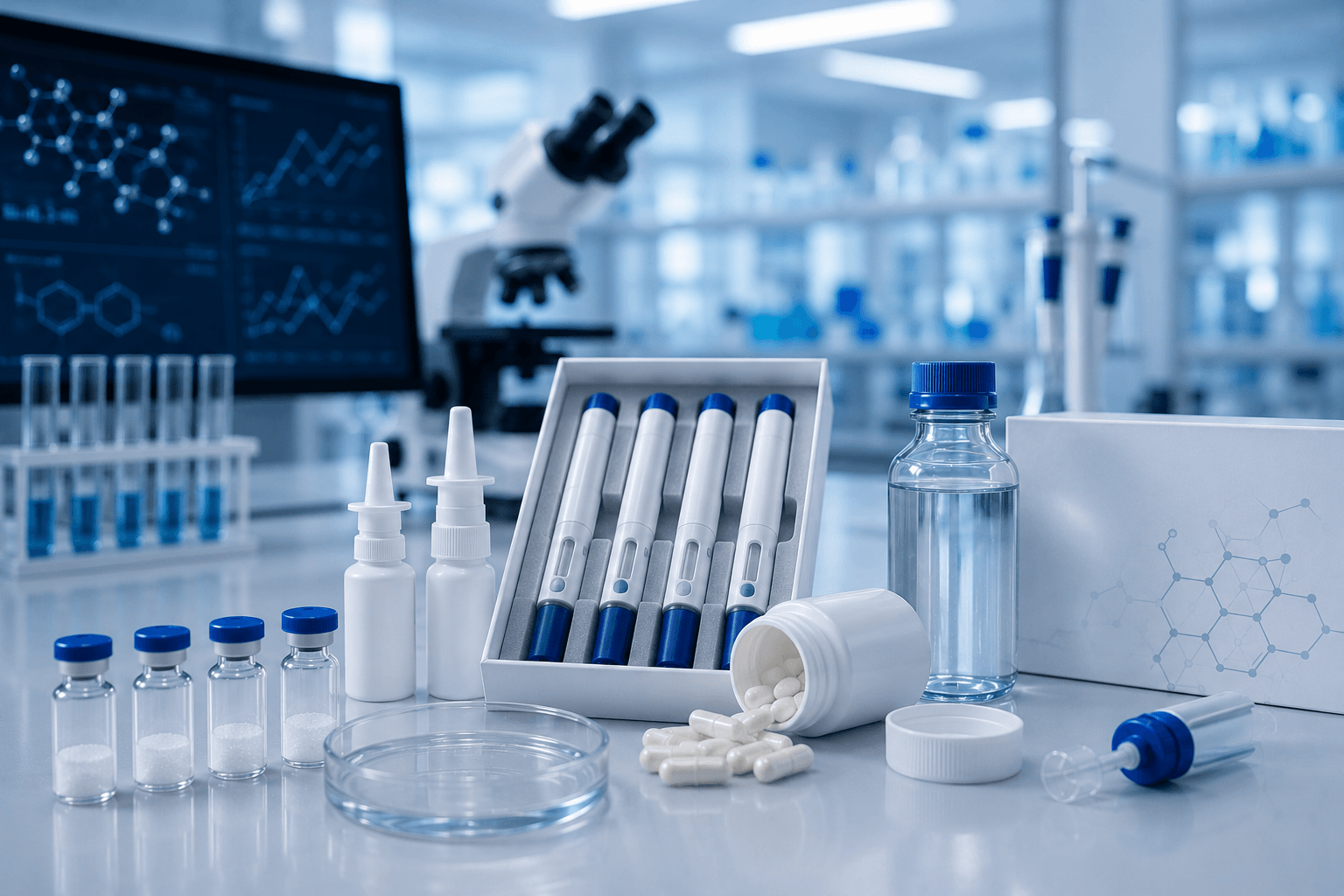
Available peptides are offered in the formulations that best serve the research needs at hand: lyophilised vials for maximum flexibility, nasal sprays for studies on mucosal delivery, pre-mixed peptide pens for protocols requiring reproducible and convenient dosing, and capsules for studying oral bioavailability. The Pharma Lab catalogue also includes bacteriostatic water and other reconstitution supplies.
We encourage every researcher to carry out independent, third-party testing of any product they receive. We stand behind the data we publish, and independent verification by external evaluators strengthens the trust relationship between ourselves and our research partners.

This catalogue has been developed over years of listening to what researchers genuinely need. Every compound you see on this page is here because active researchers requested it, and each one meets an uncompromising quality standard. The catalogue expands as new research areas emerge or as the scientific community identifies additional peptides that should be included.
We do not aspire to be the supplier with the largest product list. We aim to be the supplier of choice for active researchers who understand that the quality of their materials directly affects the quality of their results. If this page has helped you identify the peptides relevant to your work, it has served its purpose. And if you have a suggestion for a compound that might be a suitable addition, we welcome your feedback.
Thank you for exploring the Pharma Lab peptide catalogue. We look forward to supporting your research.